
5 Signs Your Books Need a Cleanup

Running a business has a way of filling every spare minute. Sales calls, customer questions, payroll, inventory, invoices, taxes, hiring, repairs, and late-night problem solving all compete for attention. Bookkeeping often gets squeezed into whatever time is left.
At first, that may not seem like a big deal. A few uncategorized transactions. One missing receipt. A bank account that has not been reconciled this month. Then a few weeks pass, and the small mess becomes a bigger one.
Clean books help show what is really happening in the business. They make tax time less stressful, support better decisions, and help catch issues before they turn into expensive surprises. Messy books do the opposite. They hide problems, blur cash flow, and make even simple questions hard to answer.
This article is for general information only and is not tax, legal, or financial advice. For guidance tied to a specific business, speak with a qualified professional.
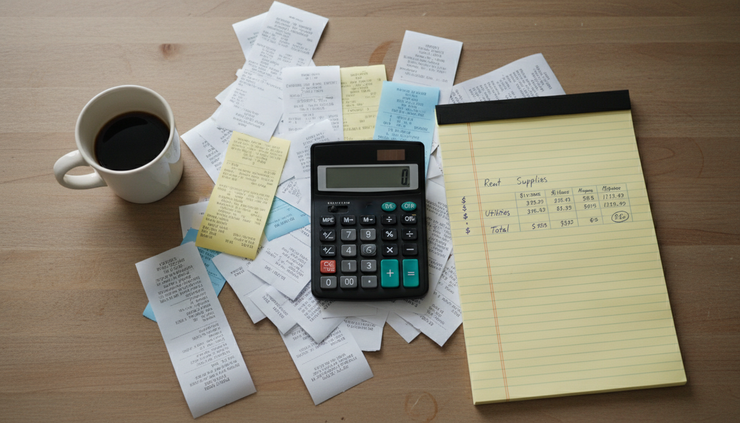
Why bookkeeping cleanup matters more than it seems
Bookkeeping is more than data entry. It is the system that turns daily business activity into useful records.
When the books are current, a business owner can answer basic questions quickly:
How much cash is available right now?
Which customers still owe money?
Which bills are coming due soon?
Are sales growing, flat, or slipping?
Is the business profitable after expenses?
How much should be set aside for taxes?
When the books are behind, those answers become guesses. That is where trouble starts.
A bookkeeping cleanup brings records back into order. It may include matching bank and credit card transactions, correcting categories, finding missing documents, reviewing unpaid invoices, cleaning up duplicate entries, and making sure reports make sense.
The goal is not just to make the numbers look neat. The goal is to make them reliable.
If the books are unreliable, every decision based on them becomes shaky. A business might spend cash it needs for payroll, miss a tax deduction, pay a vendor twice, or assume it is profitable when margins are actually thin.
Some bookkeeping issues are obvious. Others are easy to ignore until tax season, a loan application, or a cash crunch forces a closer look. The signs below are common warnings that the books need attention.
The five signs your books need a cleanup
1. Bank reconciliations are months behind
Bank reconciliation is the process of matching transactions in the books to activity in the bank account. It sounds basic, but it is one of the most important habits in bookkeeping.
If reconciliations are behind by several months, the books may not reflect reality. Deposits may be missing. Card charges may be duplicated. Checks may still show as outstanding even though they cleared weeks ago. Bank fees, interest, transfers, and automatic payments may not be entered correctly.
A missed reconciliation can also hide bigger problems. For example, a customer payment might be recorded twice by accident, making income look higher than it is. Or an expense paid from the wrong account may never get categorized. Over time, those small errors can distort reports.
A few warning signs include:
The bank balance does not match the balance in the accounting software.
Older transactions are still marked as unmatched.
Transfers between accounts look like income or expenses.
Cleared checks still appear as unpaid.
Deposits are sitting in an undeposited funds account for too long.
If reconciliations have not been done in months, start with the oldest unreconciled period and work forward. Skipping ahead usually creates more confusion. Each clean month becomes a foundation for the next one.
A business does not need perfect books every single day, but it does need a regular rhythm. Monthly reconciliation is a practical minimum for most small businesses.

2. Reports do not match what is happening in the business
Financial reports should feel familiar. They should reflect the business as it is actually operating.
If reports show a strong profit but cash is tight, something may be off. If expenses look unusually low even though bills have been paid all month, categories may be wrong. If sales look high but accounts receivable is growing, income may have been recorded before cash arrived.
The main reports to watch are:
Profit and loss statement
Balance sheet
Accounts receivable aging report
Accounts payable aging report
Cash flow report
Each one tells a different part of the story. A profit and loss statement shows income and expenses over a period of time. A balance sheet shows assets, liabilities, and equity. Aging reports show who owes money and which bills are unpaid.
When these reports are messy, decision-making gets harder. A business might delay hiring because cash feels tight, even though the real issue is slow collections. Or it might increase spending because revenue looks strong, while unpaid bills are building in the background.
Common report issues include income posted to the wrong period, personal expenses mixed with business expenses, loan payments recorded fully as expenses, or inventory purchases categorized incorrectly.
One practical test is to review the profit and loss statement line by line. Look for categories that seem too high, too low, duplicated, or vague. Categories like “miscellaneous,” “uncategorized expense,” and “ask my accountant” can be useful temporarily, but they should not become permanent storage bins.
Clean reports should help answer questions, not create more of them.
3. Tax time feels like a scramble every year
Tax season should not feel like an annual rescue mission.
If every year brings a rush to find receipts, sort expenses, download bank statements, and explain old transactions, the books need a better system. A cleanup can help, but the larger goal is to prevent the same scramble from happening again.
Messy books can affect taxes in several ways. Deductions may be missed because expenses were not saved or categorized. Income may be reported incorrectly because deposits were not matched to invoices. Owner draws, shareholder distributions, loan proceeds, and transfers may be mixed into income by mistake.
The stress is not limited to filing. Poor records can also make estimated tax planning harder. Without current numbers, it is tough to know how much to set aside. That can lead to underpayment, cash flow strain, or last-minute surprises.
A tax-time scramble often includes signs like these:
Receipts are stored in different places with no clear system.
Business and personal spending are mixed.
Contractor payments are hard to track.
Large expenses lack descriptions or supporting documents.
Prior-year adjustments still have not been reviewed.
Good bookkeeping does not guarantee a lower tax bill. It does help create cleaner records, clearer support, and fewer unanswered questions.
A simple habit can make a major difference: save documents as transactions happen. Receipts, invoices, mileage logs, loan statements, payroll records, and sales tax reports should all have a home. That home can be a secure digital folder, accounting software, or another organized system.
The best time to prepare for tax season is before tax season starts.

4. Customer invoices and vendor bills are hard to track
A business can have strong sales and still struggle if money does not come in on time. It can also damage relationships if bills to vendors get missed.
That is why accounts receivable and accounts payable need regular attention.
Accounts receivable shows customer invoices that have not been paid. Accounts payable shows bills the business still owes. When either side is messy, cash flow becomes harder to manage.
Signs of receivable problems include:
Customers say they already paid, but the invoice still shows open.
Old invoices remain unpaid for months.
Payments are recorded but not applied to the right invoice.
Credit memos or discounts are handled inconsistently.
Deposits are entered as sales without matching invoices.
Signs of payable problems include:
Vendor bills are entered twice.
Bills are paid but still show as open.
Due dates are missing or wrong.
Automatic payments are not recorded.
Vendor credits are not applied.
These issues can create real costs. A business may pay late fees, miss early payment discounts, strain vendor relationships, or forget to follow up with customers who owe money. On the other side, collecting the same invoice twice by mistake creates an unpleasant customer experience and extra correction work.
A cleanup should review both aging reports. Old items deserve special attention. If an invoice or bill has been sitting open for a long time, it may be unpaid, misapplied, duplicated, or no longer valid. The answer matters.
This is also a good time to set clear routines. Send invoices promptly. Review unpaid customer balances on a set schedule. Enter vendor bills as they arrive. Match payments to the correct bill or invoice right away.
A clean system helps cash move more predictably.
What to do when the signs start showing
Finding problems in the books can feel discouraging, but it is also useful. Once the issue is visible, it can be fixed.
The cleanup process usually works best in a clear order.
Gather the records first
Start by collecting the documents needed to support the cleanup. That may include bank statements, credit card statements, loan statements, payroll reports, invoices, receipts, tax filings, sales reports, and merchant processor statements.
Missing records slow everything down. A cleanup moves faster when the source documents are ready.
Separate business and personal activity
Mixed spending creates confusion and increases the risk of mistakes. If personal expenses appear in the business accounts, they need to be identified and categorized properly. If business expenses were paid from a personal account, they need to be documented clearly.
Going forward, separate accounts make bookkeeping much easier.
Review old categories
Look for vague or overused categories. Too many transactions in “uncategorized,” “miscellaneous,” or “other expense” can weaken reports. Categories should be specific enough to help explain where money went.
That does not mean every transaction needs a custom category. Too many categories can also create clutter. The goal is a chart of accounts that fits the business and produces useful reports.
Match transactions carefully
Bank feeds can save time, but they are not a substitute for review. Software may guess the wrong category, match a payment incorrectly, or treat a transfer as income.
Every transaction should have a clear purpose. If the purpose is not clear, the transaction needs research before it is finalized.
Fix the root cause
A cleanup is helpful, but the real win is preventing the mess from coming back.
That may mean setting a monthly bookkeeping schedule, using receipt capture tools, assigning one person to review transactions, or getting outside help before things fall behind again.
The right system should be simple enough to maintain. A perfect setup that nobody uses will not help.

5. Cash flow keeps surprising you
Cash flow surprises are one of the clearest signs that the books need attention.
Some surprises come from timing. A profitable business may still feel short on cash if customers pay slowly, inventory costs rise, or several large bills come due at once. Other surprises come from bookkeeping errors. If reports are not current, the business may not see the problem until the bank balance is already low.
Cash flow should not be a mystery. Current books help show what money is expected to come in, what needs to go out, and what is available after obligations are covered.
Watch for patterns like these:
Payroll feels stressful even during busy months.
Tax payments are not planned for in advance.
Vendor bills seem to appear without warning.
The business relies on credit cards to cover routine costs.
Owners take draws without knowing the effect on upcoming bills.
The issue may not be sales. It may be timing, pricing, collections, spending, debt payments, or unclear records. Clean books help separate those causes.
For example, a business might bring in strong monthly revenue but still struggle because customers pay 45 days late while vendors expect payment within 15 days. Another business might have steady deposits but thin margins after labor, materials, software, insurance, and loan payments.
Without accurate bookkeeping, both situations can look like “we need more sales.” With clean records, the real answer may be better collections, adjusted pricing, tighter expense review, or more careful cash planning.
A cleanup should include a cash flow review, not just a profit review. Profit matters, but cash pays the bills.
A clean set of books gives the business room to breathe
Bookkeeping problems rarely appear all at once. They build slowly through skipped reconciliations, rushed entries, missing documents, and reports that nobody fully trusts.
The five signs are clear:
Bank reconciliations are months behind.
Reports do not match what is happening in the business.
Tax time feels like a scramble every year.
Customer invoices and vendor bills are hard to track.
Cash flow keeps surprising you.
Any one of these signs is worth attention. More than one means the books likely need a cleanup soon.
Clean books will not remove every challenge from running a business. They will make the challenges easier to see, understand, and manage. That clarity can reduce stress, improve planning, and make conversations with tax professionals, lenders, and advisors far more productive.
The next step is simple: pick one month, one account, or one report, and start bringing the records back into order. Small corrections made consistently can turn a messy bookkeeping system into one that supports the business instead of slowing it down.


Comments